By StaffMay 8, 20256 min read

‘Tis the season to spend time indoors with friends and family. And we want your winter to be filled with fun memories, not worries over utility bills. We also understand that rising energy costs are a real concern for so many. In fact, in 2024, 78% of American households reported concern about rising home energy costs, which can quickly add to seasonal homeownership expenses.
We’re proud to offer comfortable, well-designed homes that can help lower the overall cost of homeownership. That’s why many of our homes include energy-saving features and add-ons. Below are a few additional steps that can help conserve energy and cut costs as fall nights grow longer and winter settles in. Keep reading for tips that’ll help you focus on enjoying the winter season instead of worrying about your heating bill.
Many new Clayton homes feature smart thermostats, making it easy to adjust your home’s temperature even when you’re not there. Smart thermostats can learn your schedule and will automatically turn the temperature up or down to help save energy, using Wi-Fi. You can also control your thermostat using your smartphone.
According to the Department of Energy, the ideal temperature to set your thermostat to in the winter is 68-70 degrees for two thirds of the day. For the remaining eight hours - ideally, when you aren’t home or when you’re sleeping snugly under the covers - lowering your thermostat by seven to 10 degrees can save you as much as 10% on your energy bill annually.
About Clayton
Founded in 1956, Clayton is committed to opening doors to a better life through homeownership. Clayton is a leading single-family, values-driven home builder dedicated to attainable housing, sustainable practices, and creating a world-class experience for customers and team members. The company’s portfolio includes a comprehensive range of site-built, modern manufactured, Tiny, CrossMod® and modular housing. In 2024, Clayton built more than 60,000 homes across the country. For more information, visit claytonhomes.com.
Who we areAnd the back door, and the garage door, too. This may seem like common sense, but leaving your doors open or windows cracked can impact your utility bill by letting warm air out and cool air in. Fortunately, Clayton homes are built with a tight thermal envelope using insulation to help keep heat inside, helping your energy costs stay down and your home stay comfortable all year long.
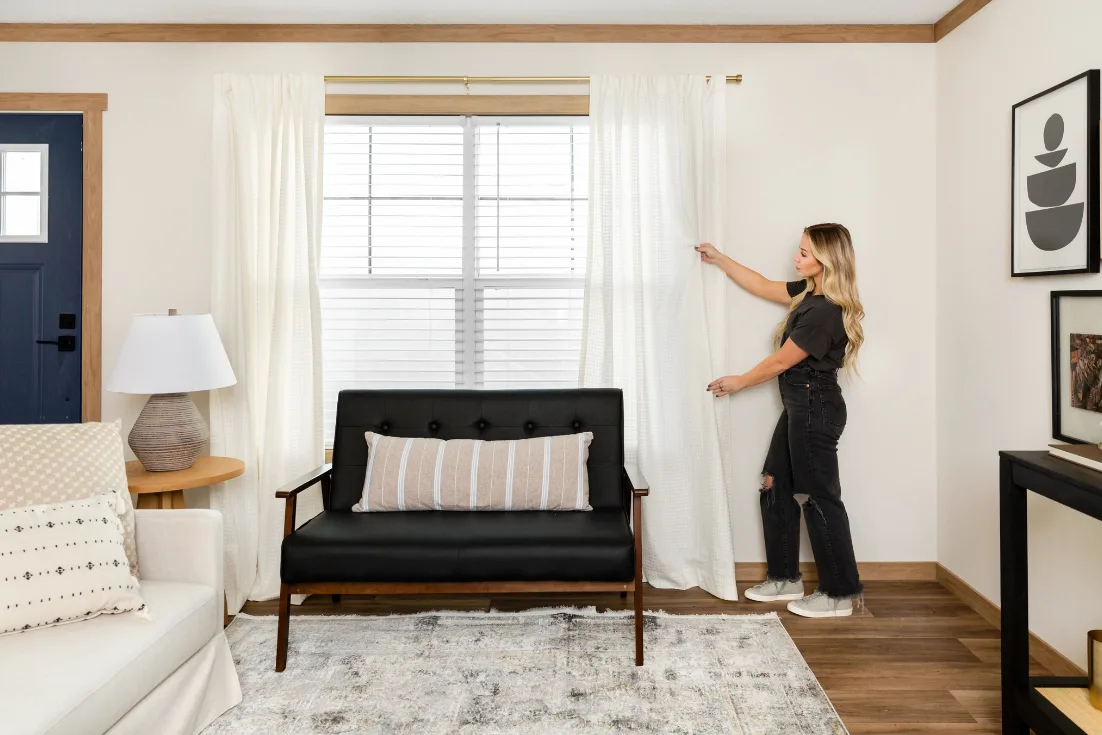
Take advantage of the sun’s rays by opening the blinds. That natural light will not only beautifully illuminate your house; it also can raise the temperature during the day.
A free heat source will obviously help you out in the long run, so open the shades in the afternoon and let the sun work its magic. And when you aren’t letting the sunlight in, consider adding insulated curtains or thermal blinds to your windows and closing them during cooler stretches to hang onto as much of your home’s heat as possible.
It’s a common misconception among homeowners that you can conserve energy by closing the vents in rooms you don’t use. However, while your HVAC system is designed to blow against some resistance, the pressure increases when air vents are closed. The higher the pressure in your duct system, the more duct leakage you’ll have and the harder your system will have to work.
Keeping the vents that supply heat to and from your HVAC system open allows it to run more effectively and efficiently. Routine cleaning and maintenance to care for your HVAC system helps with that efficiency, too.

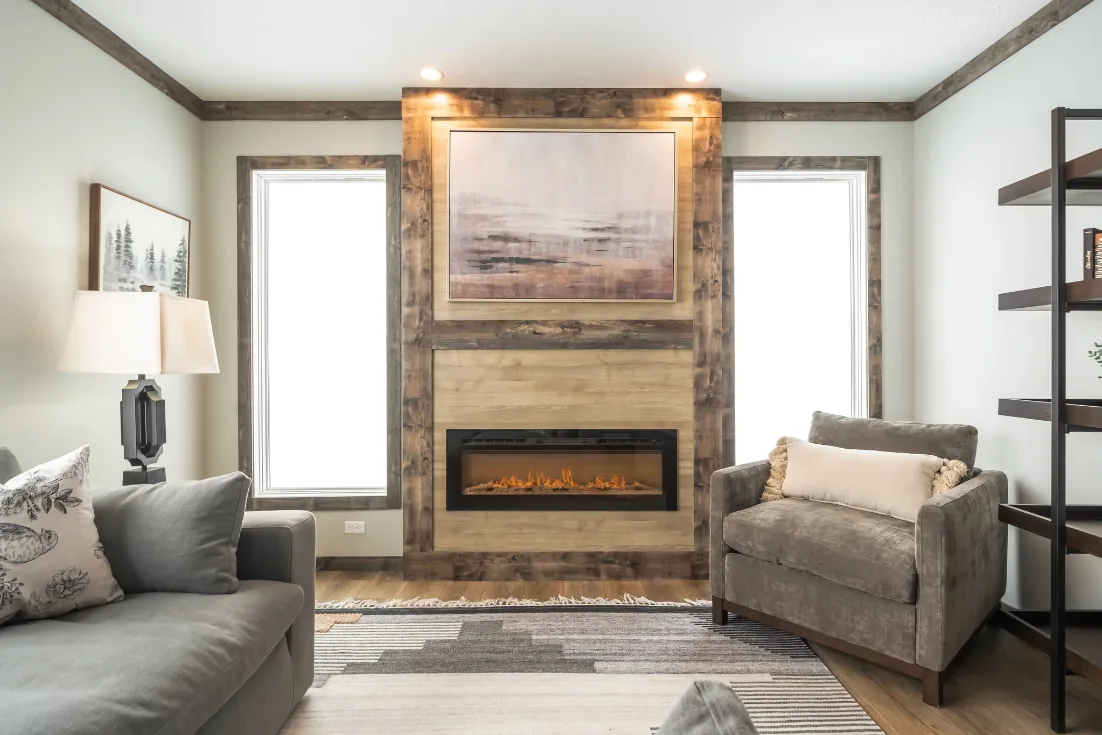
There’s just something about a burning fire that’s welcoming during the winter months. Beat the chill this winter by using a fireplace, like the ones that can be found in many Clayton homes.
Wondering which type of fireplace is best for energy efficiency? A traditional wood-burning fireplace might be your first guess. After all, it’s a natural heat source that doesn’t require any electricity or gas. But with wood-burning fireplaces, you’ll need to keep your chimney flue open during and after your fire, waiting to close it until the fireplace and any embers and ash have cooled completely. That’s going to let some cool air creep into your home in the meantime.
For gas and electric fireplaces, energy efficiency depends a lot on the exact type. A flueless gas fireplace can be anywhere from 70 to 90% energy efficient, and many electric models score even higher. That said, a fireplace’s rate of efficiency is about how well it converts an energy source to heat and not necessarily about what it can do to your energy bill. For example, many electric fireplace models draw about 1,500 watts of electricity, the same as a typical space heater, to heat up a 400 sq. ft. room. That means if your electric fireplace and heat are on at the same time, your energy use can add up.
If you’re interested in adding a fireplace to your home, talk to your home consultant about which homes have fireplaces as a feature option. For gas and wood-burning fireplaces with flues, close them as soon as you safely can after a fire. That will help prevent damage from rain or snow as well as debris entering the chimney, too. And always be sure to practice safe and effective fireplace maintenance and home fire prevention best practices, like having a fire extinguisher nearby and routinely checking your smoke and carbon monoxide detectors.
Cold air tends to have some sly ways of getting into your home. When this happens, it’s natural to want to crank up the heater, but by looking for and addressing any leaks, you can stop the problem at its source instead.
Check the frames of your doors and windows to make sure there are no holes or tears in the seals surrounding them. These rubber parts are small but mighty when it comes to letting in unwanted drafts. They can easily be replaced or fixed if you find any tears, so take the time to check them out as outside temperatures drop. For an added layer of draft protection, you may also want to buy door draft stoppers to install along the bottom of doors. Or make your own by filling a fabric tube with rice or beans.
Another easy way to save money on your energy bill is by turning down your water heater’s temperature. While you’re likely not thinking about it each time you take a shower or wash the dishes, all that heated water amounts to a surprisingly large percentage of your energy bill: 14-18% on average, according to the Department of Energy. In fact, water heating is often the second largest expense in the average American home!
It’s also common to want to turn up the water temperature as it gets colder, but doing so can end up costing you a lot of money. Instead, the Department of Energy recommends lowering your water heater from the 140 degrees many models come set at to 120 degrees. It could save you hundreds of dollars a year, and it’ll reduce your risk of scalding, too.

Fun fact: Moist air feels warmer than dry air, because it holds heat better. Despite that, many heating systems actually strip your home’s air of moisture. Using a humidifier can help you feel more comfortable while keeping your thermostat set to lower temperatures, all with the added benefit of warding off winter’s dry skin and irritated sinuses.
Aim for an indoor humidity level between 30-50%. You can use a hygrometer, which is often built into modern humidifiers, to measure your home’s humidity. You can also add a few houseplants to your space to naturally amp up moisture levels, too. Spider plants, peace lilies, and ferns not only look great but are particularly effective at this.
With a centralized heating system, heat is distributed evenly throughout your house, whether or not every room is in use. To avoid wasting heat and energy, practicing zone heating lets you concentrate heat on the parts of the home you use most. This can be especially helpful in multi-story homes, but more compact spaces can benefit, too, including by directing heat to bedrooms at night.
On days where your home’s full heating system isn’t strictly needed, use an energy-efficient space heater in high-use spaces, ensuring it’s appropriately sized for the room you plan to heat and that you’re following all of the safety instructions. Close the door to unused rooms and add warm rugs to hardwood or tile floors in areas that see the most foot traffic, like the kitchen.
You deserve to be comfortable in your home, no matter the season. Managing your energy usage with these best practices can help you save on heating costs and enjoy stress-free snugness all winter long. If you’re looking for more homeownership tips, you can view more homeowner support articles and FAQs to find answers to your questions.
This content is provided for educational purposes only and is not intended as financial, credit, or lending advice. Clayton Homes does not offer or originate mortgage loans and does not make credit decisions. Financing terms, loan programs, rates, and eligibility requirements vary by lender and may depend on buyer qualifications, property type, and location. Buyers should consult a licensed lender of their choice for information regarding available financing options.