• How we build
  • How it works
  • Learning & support
How we build
How it works
Learning & support
Locations
Contact us
Try the Home Finder

© 1998-2026 Clayton.

Shop by location

Search by location to find homes, neighborhoods, and home centers

Build for your land

Homes designed for private land and ready for site placement

Shop homes on land

Available move-in ready homes on private lots or in neighborhoods

Try the Home Finder

Homes

  • Shop by location
  • Floor plans
  • Move-in ready
  • Locations

Support

  • Learning & support
  • Homeowner stories
  • Contact us
  • FAQs

About

  • Who we are
  • Our builders
  • Careers
  • Newsroom

Join our newsletter

By entering your email address, you agree to receive marketing emails from Clayton. You may unsubscribe at any time.

© 1998-2026 Clayton.

LegalPrivacySite map
HomeLearning and supportOwner supportTips for an energy-efficient home this summer

Tips for an energy-efficient home this summer

Owner support

By Jenny C.—May 8, 2025—4 min read

An exterior of a modern manufactured home with blue siding and a large front porch on a green field, a standalone work shed and two white trucks parked to its left.

Just because the temperature is going up doesn’t mean your power bill has to as well. Use these energy-efficient tips in your home to help you conserve energy and potentially save money on your utility bills.

Summer will be here soon, which means it’s time to make sure your home is ready for the warmer weather. High temperatures and humidity have the potential to wreak havoc on your energy bills! With just a few changes, you can get your home ready so you can relax and spend your energy on summer activities, like parties, cookouts, and time with loved ones.

Let’s check out seven easy ways to help improve your home’s energy efficiency this summer.
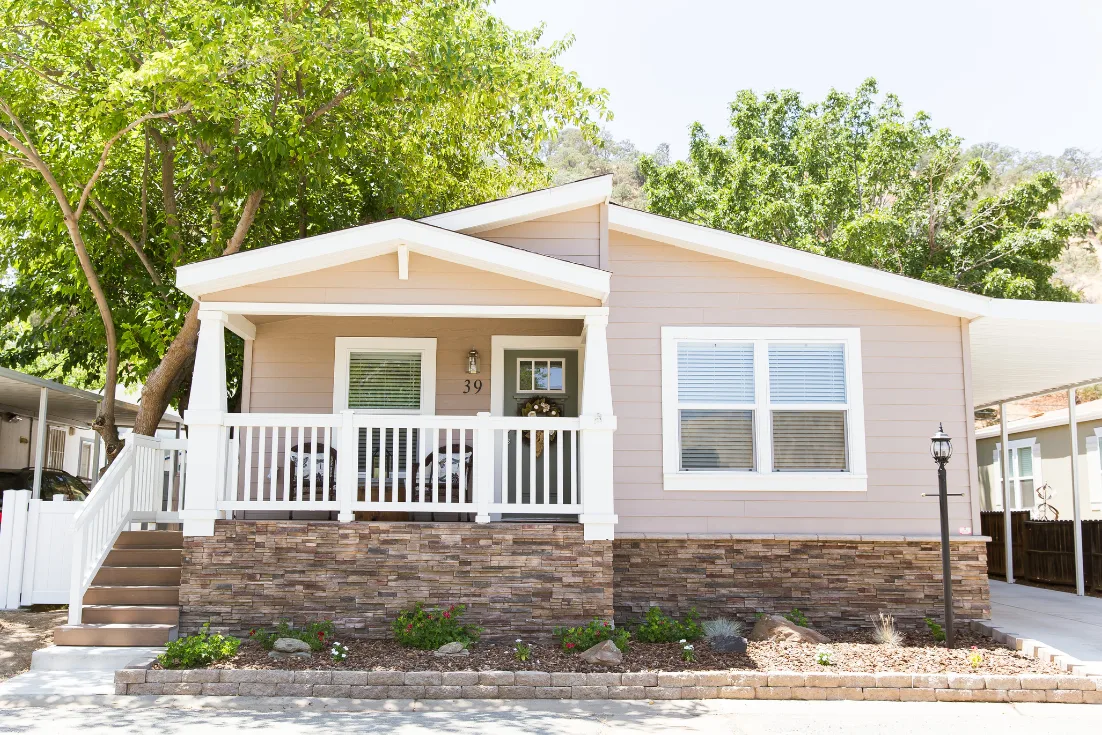
An exterior of a Craftsman-style manufactured home with beige siding, brick skirting, and a front porch with white railing.

1. Grow your own shade

Shady trees help people cool off on hot summer days, and the same goes for your house. And while any shade helps cool your home, you should prioritize shading south-facing windows with trees or even an awning. Be sure to consider the size the tree will grow to, because planting them too close to your home can cause the roots to interfere with your plumbing lines. Also, plant trees far enough away from your home to prevent damage in case of strong storms or high winds.

Trees are a long-term investment, but keep in mind they also often lose their leaves in winter, allowing the sun to stream in through your windows on cold days. This can help keep your home cooler in the summer and warmer in the winter.
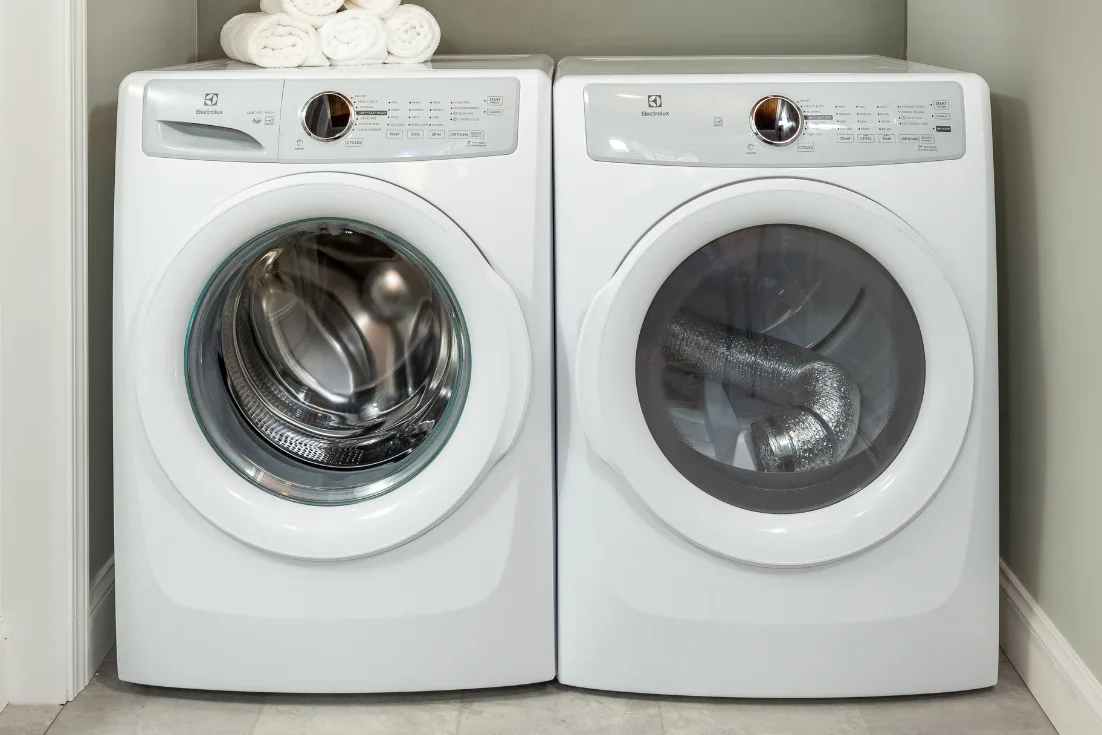
A close-up of a front-loaded white washer and dryer set with white towels rolled on top of the dryer.

2. Skip the dryer

Hot summer days are perfect for drying clothes outside, especially if you live in an area with lower humidity. A clothing line is inexpensive, easy to install, and can definitely save energy if you use your dryer multiple times a week. Running the dryer can also make your home a few degrees warmer, so you can avoid this by trying out a clothesline. And if you’re worried about potential sun damage or clothes blowing away in the wind, you can also hang items up to dry in your laundry room or in another sunny area in your home. As an added bonus, this will also reduce wear and tear on your clothes and help them last longer.

3. Invest in a smart thermostat

A smart thermostat allows you to adjust the temperature in your home throughout the day, either automatically or with your smartphone. This is especially handy if you live in an area that tends to see large temperature changes. Some smart thermostats can also be used as a dehumidifier or send you updates about how much energy you’re using.

Many people with programmable thermostats also set the temperature higher when they are away from home and then have it start cooling down before they get back. This keeps you from blasting cold air in an empty home and means you’ll be more comfortable with less air on during the evening. You can also open the windows in the evening to let cooler air in.

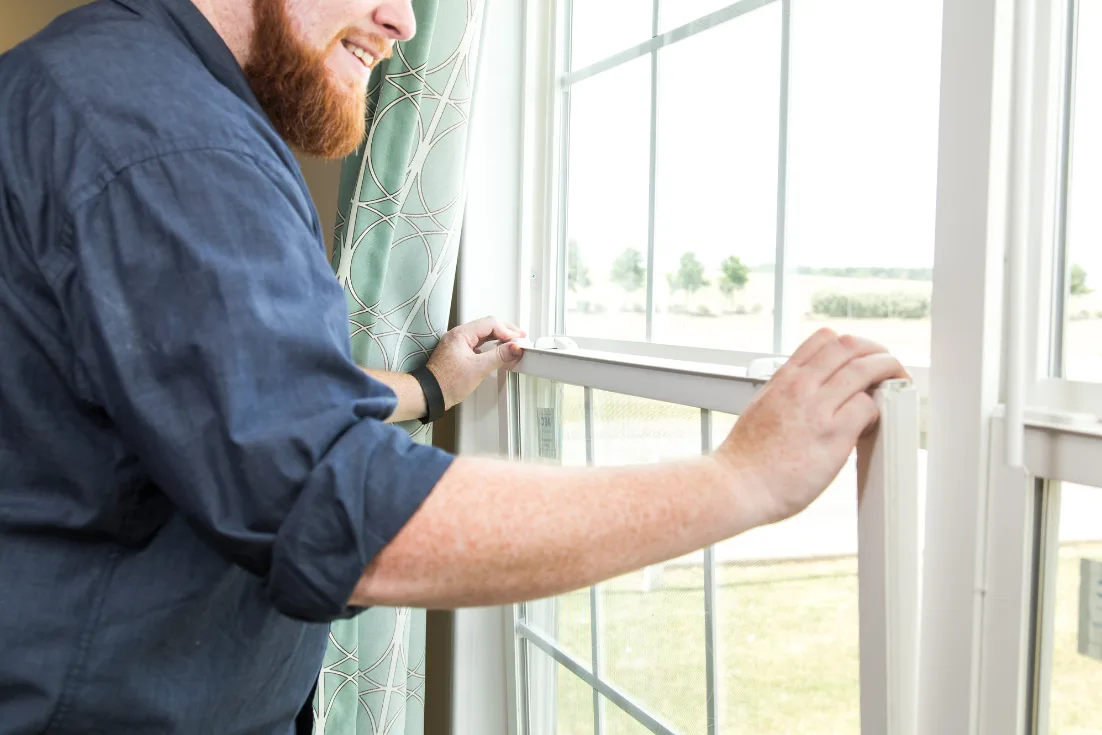
A man seen from his red beard down opens a grid-paned window from inside a home.

4. Seal any leaks

Check your window and door seals for any light or warmth seeping in. These are likely places where air is getting in, which means your AC has to work harder and use more energy to keep your home cool. You can seal window frames with caulk, or consider investing in new, more efficient windows. For drafty doors, you can use a door draft stopper, repair your door frame, or add padding, depending on the specific door.

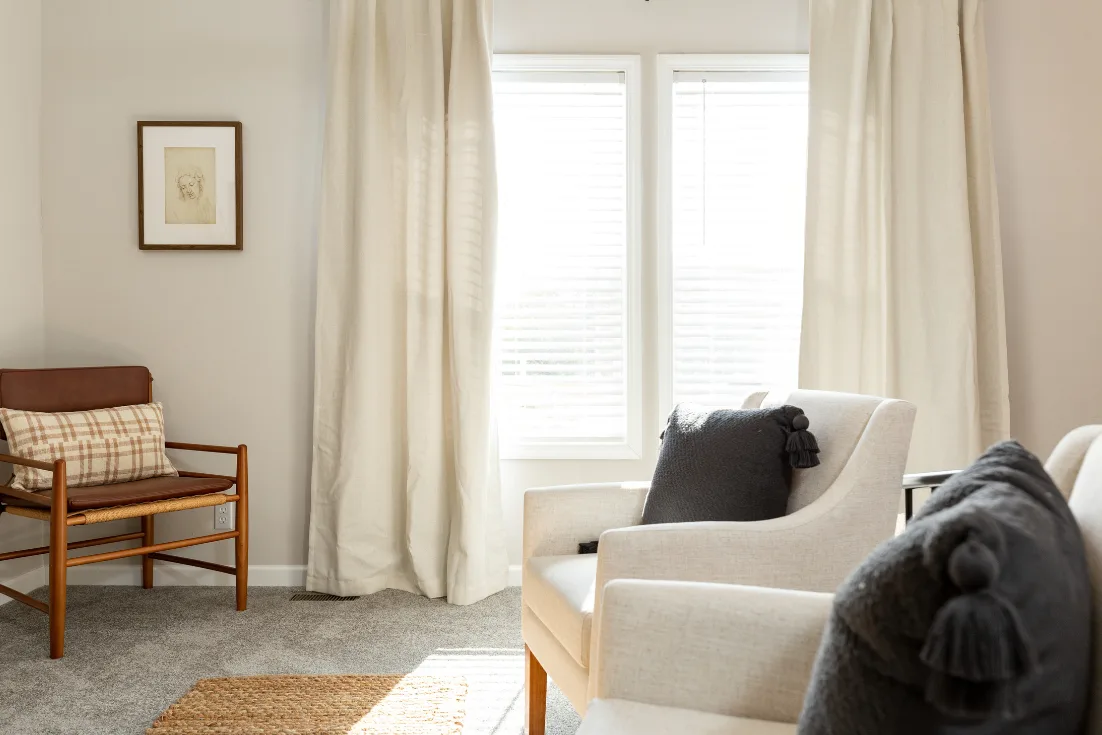
A living room features a modern leather chair in one corner, tall double windows hung with curtains, and white upholstered arm chairs.

5. Cover your windows

Sunlight streaming through your windows can heat up your home more quickly than you might think. In addition to closing your blinds, putting drapes and curtains on your windows will help your home’s cooling system by keeping that heat outside where it belongs. You can also try blackout or thicker curtains to help close off any heat that may sneak out from your windows.

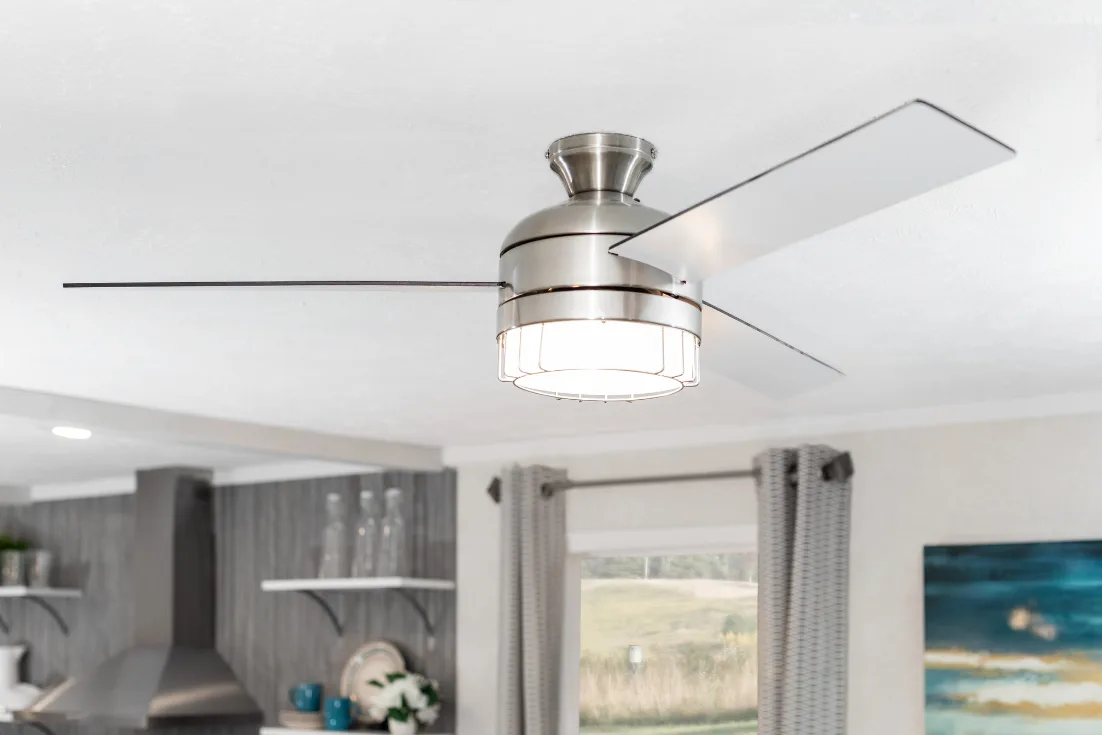
A close-up of a modern ceiling fan with three stainless steel blades.

6. Become a fan of fans

Although they still require energy, ceiling fans use far less than an air conditioner. They also create a wind chill effect that can make a warm home feel as much as 4 degrees cooler.

What’s more, fans help lower the temperature in specific rooms, allowing you to keep your house at a higher overall temperature during summer months while still being comfortable. There are also a few simple ceiling fan tricks you can use to improve your indoor comfort, like making sure your fan is going counterclockwise to move air down.

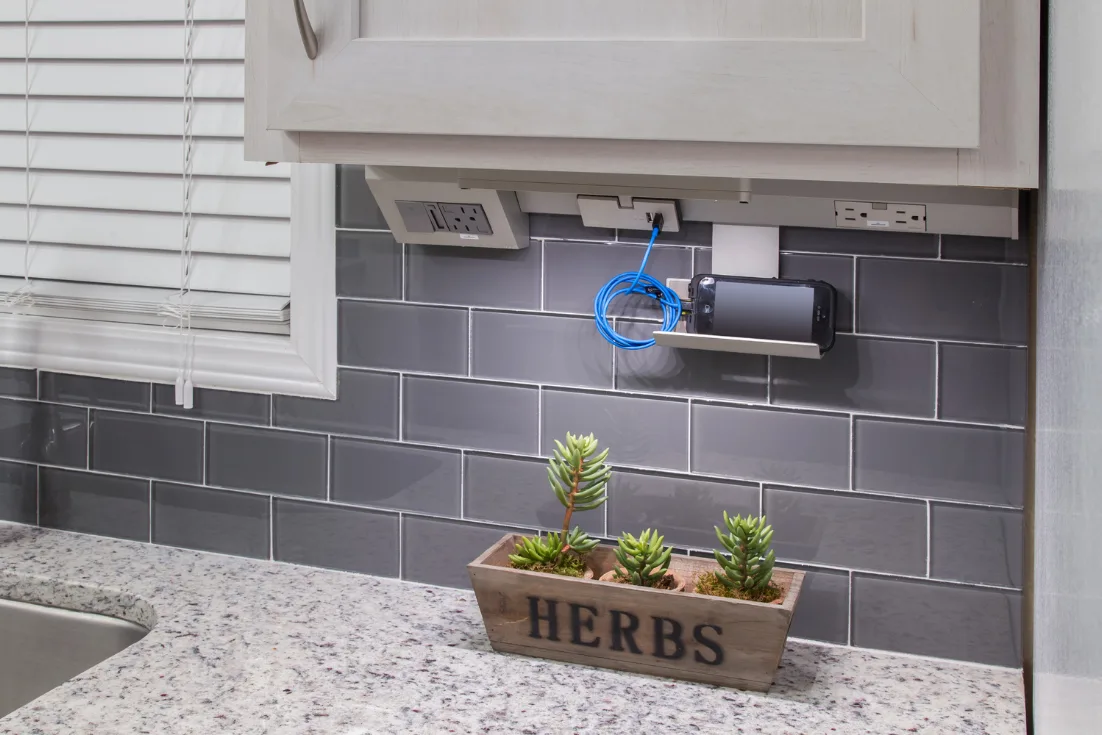
A close-up of a charging station under a white cabinet and against the gray subway-tile backsplash of a kitchen that hangs above a square potted plant painted with the word "herbs."

7. Unplug your devices

You may not know this, but leaving some appliances and devices plugged in when you’re not using them still uses small amounts of power. This is called “standby energy loss” and can add up on your bill, so make sure you unplug any chargers and devices when you aren’t using them.

If you are looking for more homeownership tips, you can read additional support articles and homeowner FAQs to learn more with our Learning & support page.

A boy sits on his dad's shoulders while holding up a toy airplane, a two-story home and a cloudy sky behind them.

Learn more about homeownership and maintaining your home after moving in.

Owner support articlesOwner support FAQs