Tips for an energy-efficient home this summer
By StaffMay 8, 20254 min read


Just because the temperature is going up doesn’t mean your power bill has to as well. Use these energy-efficient tips in your home to help you conserve energy and potentially save money on your utility bills.
Summer will be here soon, which means it’s time to make sure your home is ready for the warmer weather. High temperatures and humidity have the potential to wreak havoc on your energy bills! With just a few changes, you can get your home ready so you can relax and spend your energy on summer activities, like parties, cookouts, and time with loved ones.
Let’s check out seven easy ways to help improve your home’s energy efficiency this summer.
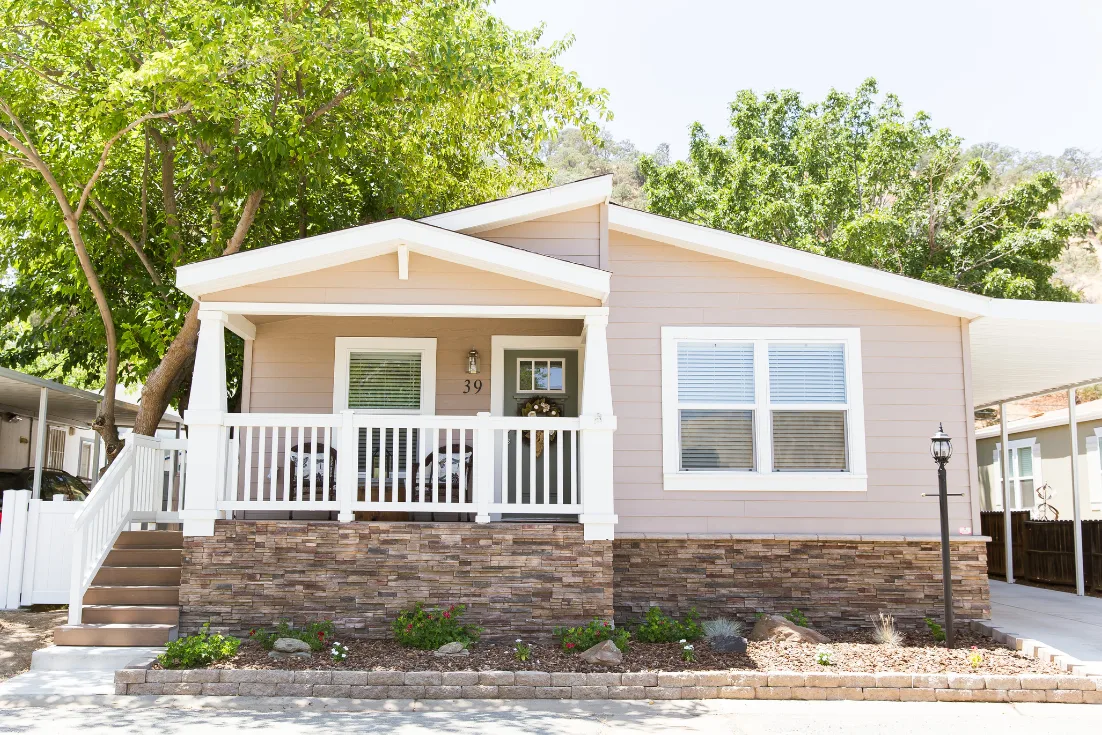
1. Grow your own shade
Shady trees help people cool off on hot summer days, and the same goes for your house. And while any shade helps cool your home, you should prioritize shading south-facing windows with trees or even an awning. Be sure to consider the size the tree will grow to, because planting them too close to your home can cause the roots to interfere with your plumbing lines. Also, plant trees far enough away from your home to prevent damage in case of strong storms or high winds.
Trees are a long-term investment, but keep in mind they also often lose their leaves in winter, allowing the sun to stream in through your windows on cold days. This can help keep your home cooler in the summer and warmer in the winter.
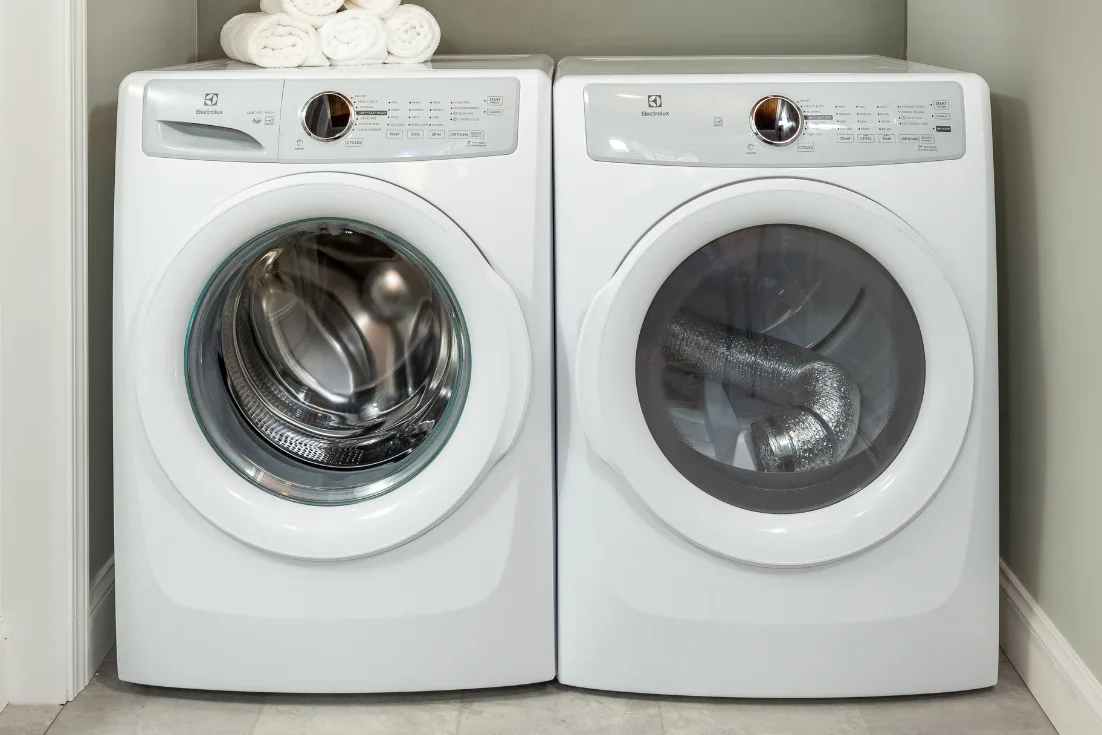
2. Skip the dryer
Hot summer days are perfect for drying clothes outside, especially if you live in an area with lower humidity. A clothing line is inexpensive, easy to install, and can definitely save energy if you use your dryer multiple times a week. Running the dryer can also make your home a few degrees warmer, so you can avoid this by trying out a clothesline. And if you’re worried about potential sun damage or clothes blowing away in the wind, you can also hang items up to dry in your laundry room or in another sunny area in your home. As an added bonus, this will also reduce wear and tear on your clothes and help them last longer.
About Clayton
Founded in 1956, Clayton is committed to opening doors to a better life through homeownership. Clayton is a leading single-family, values-driven home builder dedicated to attainable housing, sustainable practices, and creating a world-class experience for customers and team members. The company’s portfolio includes a comprehensive range of site-built, modern manufactured, Tiny, CrossMod® and modular housing. In 2024, Clayton built more than 60,000 homes across the country. For more information, visit claytonhomes.com.
Who we are