By Misty D.May 8, 20255 min read

You may have heard the phrase “home inspection” but only have a vague idea of what it includes or who does the inspecting. For example, is it separate from a home walkthrough? Do you have to have one?
At Clayton, we understand that the home buying process has multiple complex steps, and that each step can spark just as many questions. With a new Clayton home, know that your home is inspected several times throughout the entire process, from building the home to your move-in day.
If you’re purchasing a site-built or move-in ready home, you will still complete an inspection stage and likely have your home appraised. You will also complete a walk through with your home consultant before closing and can always bring in a third-party inspector.
When purchasing a modern manufactured home, there are some additional inspection steps you can expect. Read on to learn more.
A home inspection’s purpose is to assess the home and ensure its structure and systems are built and working properly and safely, and to note any issues that may be present.
About Clayton
Founded in 1956, Clayton is committed to opening doors to a better life through homeownership. Clayton is a leading single-family, values-driven home builder dedicated to attainable housing, sustainable practices, and creating a world-class experience for customers and team members. The company’s portfolio includes a comprehensive range of site-built, modern manufactured, Tiny, CrossMod® and modular housing. In 2024, Clayton built more than 60,000 homes across the country. For more information, visit claytonhomes.com.
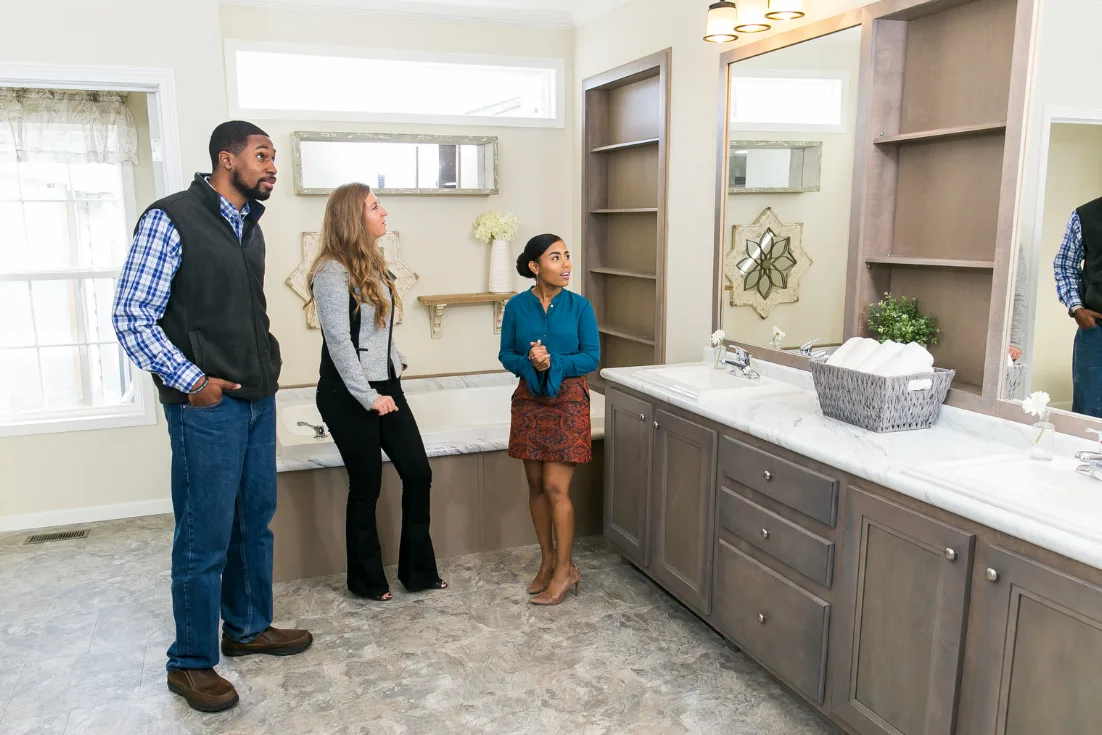
Who we areA final walkthrough for your home means you and your home center consultant will go room-by-room to check that key features are working properly, the home is clean, and there are no obvious issues prior to move-in.
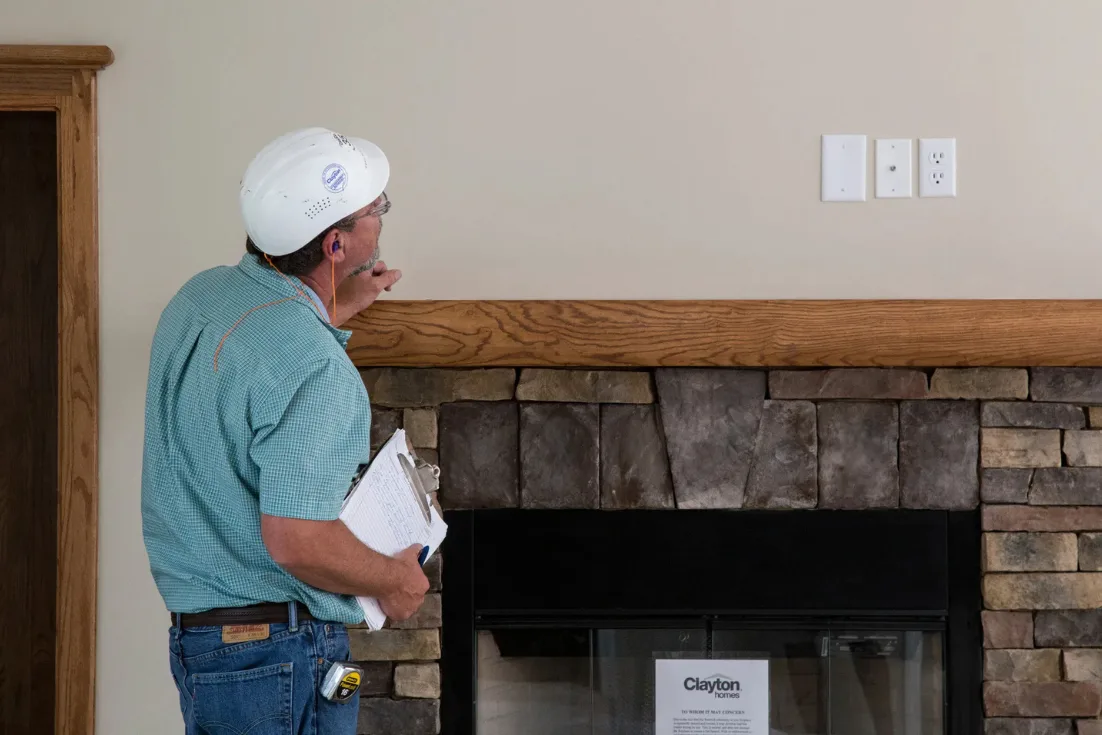
If you’re purchasing a modern manufactured home, your home will be inspected at the facility during multiple stages of construction for both quality and national HUD building code compliance prior to delivery.
Modern manufactured homes are constructed according to the HUD Manufactured Home Construction and Safety Standards, or HUD Code, which was established by the U.S. Department of Housing and Urban Development. These national standards set requirements for construction, energy efficiency, safety, and more.
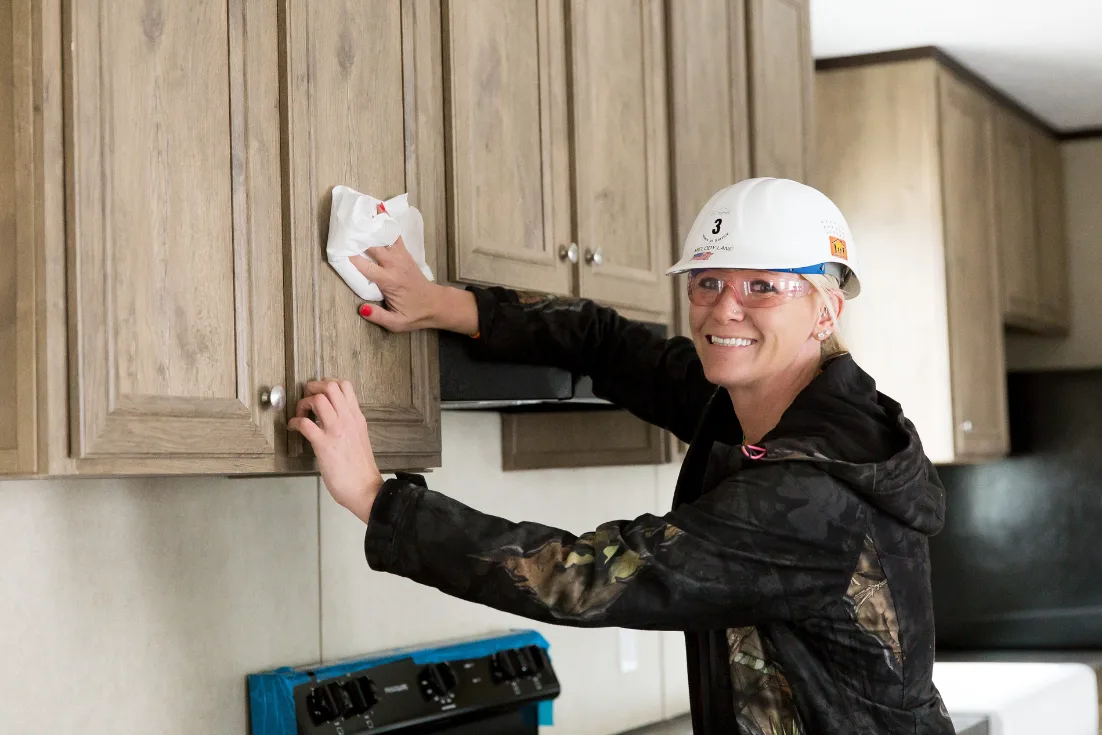
New Clayton modern manufactured homes undergo an internal inspection process in the home building facility to make sure that every part of the home meets HUD Code requirements. Inspectors will assess items such as the home’s frame, thermal protection, roof, plumbing systems, electrical systems, fire safety, and, of course, the structural stability before the home is transported to your home site.
Your home will include a certification label to signify that the home was built in accordance with the HUD Code. This label is usually located on the back right corner of the exterior of the home. This information is also typically included on the home’s data plate, which will be located inside each modern manufactured home.
Depending on your loan type and lender requirements, an appraisal may be required during the home buying process before final loan approval or closing. This helps determine whether the loan amount aligns with the home’s value. For example, if the appraised value is lower than the loan amount, adjustments may be needed. Home buyers are usually responsible for the cost of the appraisal.
At a glance, a home appraisal may seem similar to an inspection, but it serves a different purpose. An appraiser is focusing on determining the home’s value by looking at factors like size, location, general condition, and comparable homes in the area.

A home inspection also takes place after closing, once the new manufactured home has been delivered, installed on your prepared home site, and connected to utilities. If you’re purchasing a modern manufactured or traditional site-built home that has already been built and is on land, a home inspection may not be required, depending on your loan type, but can often be requested. At Clayton, we recommend considering a home inspection, as it can help the home buyer identify potential issues and provide additional peace of mind. The home buyer is typically responsible for the cost of a requested inspection. Home inspection scope and requirements may vary by location based on state, county, and city regulations.
Similar to a site-built home inspection, a licensed inspector will generally check a modern manufactured home from the foundation to the siding and roof. This may include reviewing the home’s interior floors, walls, ceiling, windows, and doors, as well as plumbing, electrical, HVAC systems, and utility connections. Safety features, such as smoke detectors or fireplaces, may also be assessed.
Some modern manufactured home-specific areas that may be inspected include:
The foundation: Modern manufactured homes can have different foundation types, such as a concrete slab or a pier-and-beam system. These components are typically inspected, including anchoring and tie-down systems for wind safety. If applicable, basements or crawl spaces may also be included.
The vapor barrier: A vapor barrier is usually made of plastic sheeting and installed under the modern manufactured home to help reduce moisture, insulate against heat loss, and maintain your home’s air quality. An inspection may also check that the barrier meets thickness requirements and is properly installed to help prevent moisture leakage.
The skirting: Also known as underpinning, skirting encloses the space under a manufactured home, if it has one, and is typically required by local building codes to help prevent damage to the home.
The marriage line: In multi-section homes, the marriage line is where those sections are joined. An inspection may check that this area is aligned and sealed properly.

Once the inspection is complete, the inspector typically provides a report summarizing everything that was checked as well as any issues that may need attention. The report may also include general property details, such as the address, square footage, and year of construction, depending on local inspection standards.
It’s important to go over the report and discuss any recommended repairs or touch-ups with your home center consultant. Addressing findings before closing may be helpful, especially for items needing immediate attention. If you can be present at the inspection, it can be a helpful opportunity to ask questions and better understand the home’s systems.

Before move-in day, you’ll have a chance to complete a final walkthrough with your home consultant. If there are any concerns, the home consultant can work with the builder to help resolve them as soon as possible. It’s also a chance to admire your home in person and begin imagining how you’ll make it your own.
Congratulations, homeowner! We know you’re ready to start getting settled into your new home, so for more resources and tips for homeownership, including information about your warranties, check out our owner support section on our Learning & support page.