By Jenny C.May 15, 20267 min read

Owning property is something to be proud of. It often represents years of hoping, planning, and saving. And once you have the keys, it’s natural to want to take care of your new home.
The good news is that maintaining your home doesn’t have to be complicated. You don’t need special tools, deep technical knowledge, or a long checklist taped to the fridge. A few simple habits can help your home stay comfortable and reliable for years to come.
And, because you bought a brand new home, you’ll likely have fewer immediate repair needs. Just focus on the small upkeep tasks that can help maintain and extend the quality of your home.
This guide shares practical home maintenance tips you can come back to each month, season, and year. Use them to make a home maintenance plan that fits your life and your home.
Basic home maintenance is about caring for the parts of your home you use every day. It focuses on keeping systems working as they should and addresses everyday wear before it adds up.
Most types of maintenance fit into three simple rhythms:
Monthly home maintenance: Quick, repeatable checks that help you stay familiar with how your home is working day to day
About Clayton
Founded in 1956, Clayton is committed to opening doors to a better life through homeownership. Clayton is a leading single-family, values-driven home builder dedicated to attainable housing, sustainable practices, and creating a world-class experience for customers and team members. The company’s portfolio includes a comprehensive range of site-built, modern manufactured, Tiny, CrossMod® and modular housing. In 2024, Clayton built more than 60,000 homes across the country. For more information, visit claytonhomes.com.
Who we areSeasonal home maintenance: A chance to look things over as weather changes and make sure your home is ready for what’s next
Annual home maintenance: A few once-a-year checks, often tied to major systems or safety
How often you check in and what you prioritize will depend on your home type, your climate, and your routines. The goal is awareness, not strict timing. What matters most is building a rhythm that helps you stay connected to how your home is working over time.

This guide breaks home maintenance into manageable tasks, with a general sense of when to complete each one. Because maintenance needs can vary by region, weather, and home design, think of this as a simple foundation you can adapt to your home.
Checking in on these tasks monthly helps you stay in tune with how your home is functioning. They cover everyday areas that are easy to keep an eye on.
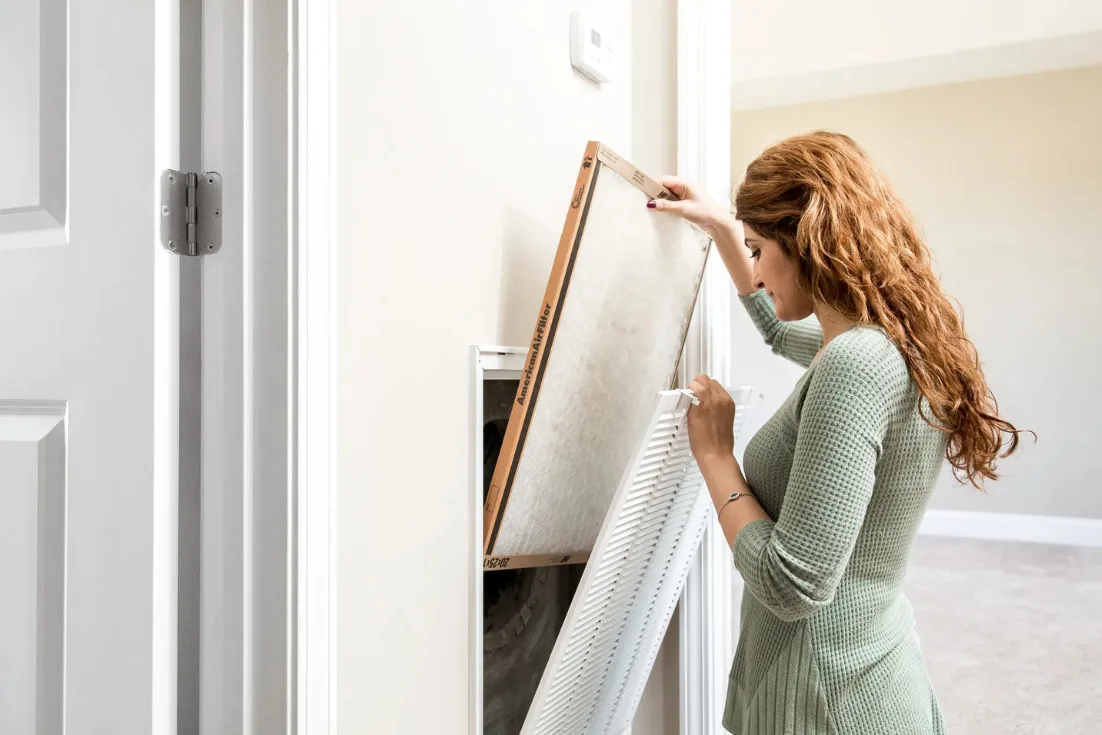
Air filters play a big role in how your home’s heating and cooling systems perform. When filters are dirty, airflow slows down and systems have to work harder than they need to.
Checking filters each month helps you know when it’s time for a change. Clean filters support steady airflow, keep indoor temperatures comfortable, and can help support your HVAC system durability and performance over time.
Water has a way of showing up quietly. A slow drip under a sink or moisture near an appliance may not seem like much, but it’s worth noticing.
Take a few minutes each month to look under sinks, around toilets, and near dishwashers or washing machines. Paying attention early can help protect floors, cabinets, and walls over time.
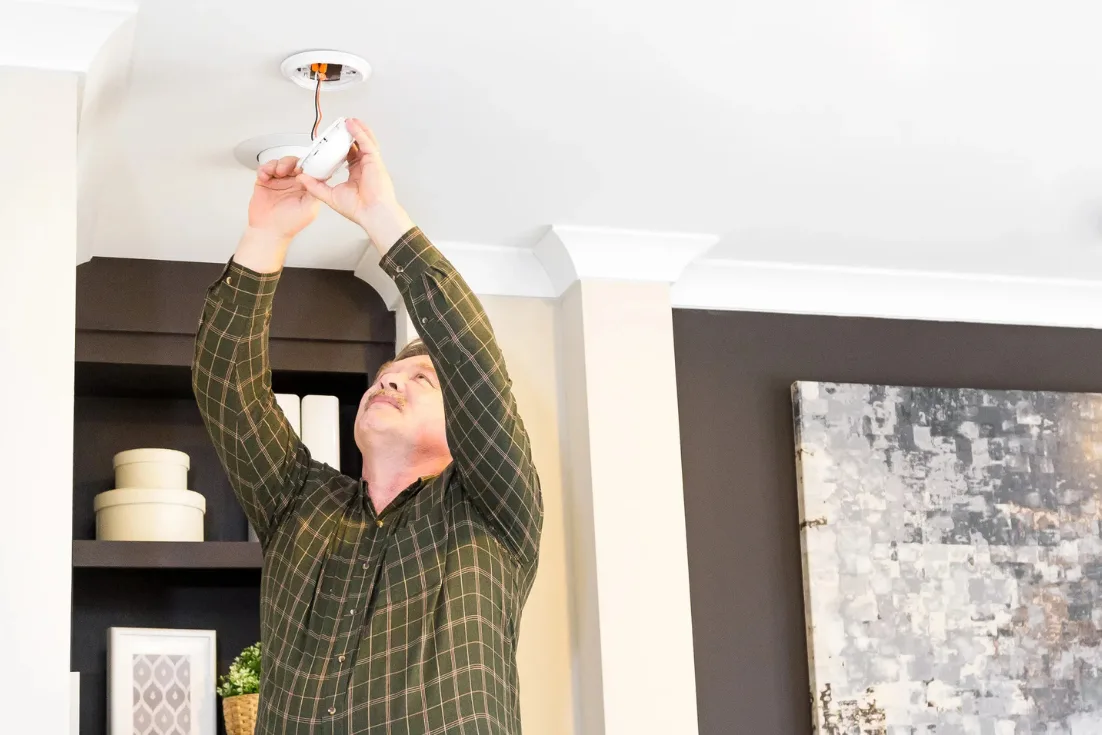
Your home’s smoke and carbon monoxide detectors are working quietly in the background. That can make them easy to forget about. Regular testing helps make sure these devices are ready when you need them.
Once a month, press the test button and listen for the alarm. If the sound is weak or missing, it’s time for fresh batteries. Doing this monthly is a simple habit that helps support safety throughout your home.

These tasks help your home stay balanced as seasons come and go. They focus on areas that tend to change with temperature, moisture, and time.
Gutters and downspouts help guide rain away from your home. When leaves or debris build up, water can collect in places it shouldn’t.
Seasonal checks help keep water moving away from siding, foundations, and walkways. This matters most after heavy storms or during times of falling leaves, when buildup tends to happen more quickly.
As seasons shift, gaps around doors and windows are easier to notice. Small openings can let in drafts, moisture, or outdoor air.
Seasonal inspections give you a chance to check seals. Taking care of these areas helps keep indoor spaces comfortable as outdoor weather and temperatures change.
Your home’s exterior is exposed to wind, rain, sun, and changing temperatures throughout the year. A seasonal walkaround helps you stay familiar with how everything looks.
Scan your siding, trim, and shingles for any changes after a storm or on a seasonal cadence. There’s no need to climb onto the roof. A visual check from the ground is often enough to notice changes worth following up on.
The following tasks come up less often, but they’re still an important part of long-term home care. A yearly check-in helps you stay familiar with these major systems and safety features over time.
Heating and cooling systems work hardest during peak seasons. Annual service helps support proper operation to make sure they’re running as intended before seasonal demand picks up. This yearly check supports reliable performance and efficiency when you rely on these systems the most.
Cleaning the lint screen is part of everyday dryer use. Over time, lint can also collect in the home’s dryer vent system, which can affect airflow and efficiency.
An annual vent cleaning helps keep air moving as it should. While you’re at it, take a look at appliance connections and hoses. These small checks support safe operation and can help appliances last longer.
In an emergency, knowing where shut-offs are can make a big difference. Annual reminders help keep this information fresh. Take time to locate your main water shut-off and electrical panel. Label them clearly if it helps. Being prepared makes it easier to respond calmly if something unexpected comes up.
Once a year, take a walk through your home. Pay attention to small details to put on a to-do list, and take note of anything that sounds, smells, or looks different than before. Collecting small jobs to keep up with annually is easier than waiting years and having this list grow over time.
Plus, staying familiar with your home helps you spot changes early. That awareness makes it easier to decide when to follow up or ask questions.

As you get comfortable with homeownership, you’ll get to know how your home operates and what kinds of care it needs. Some home maintenance tasks will feel familiar right away. Other types of maintenance may come up as you settle in or as seasons change. It’s all part of getting to know your new space.
Most builders offer online resources that can help guide care over time. These often include information about major systems, recommended maintenance, and suggested timelines. For owners of Clayton modern manufactured homes, your homeowner’s manual is also a good place to find maintenance guidance specific to your home.
Following this guidance will help protect your home’s long-term condition and comfort, and can help limit any unexpected repairs. Depending on how your home was built, some components may also be covered by a warranty if service is ever needed. Your home consultant can help answer any questions you have, so that maintaining your home feels manageable and supported.
Maintaining your home is a process. Most people don’t start out knowing every home maintenance task by heart. Step by step, habit by habit, it becomes part of your routine as a homeowner.
Paying attention to small details helps you understand how your home works and what it needs over time. Simple care, done regularly, helps systems perform well and keeps your home running smoothly.
And when questions come up or something feels unclear, you don’t have to sort it out alone. Clayton is here to help answer questions and support you as you care for your home. Contact us for homeowner support or browse more articles on homeownership.
This content is provided for educational purposes only and is not intended as financial, credit, or lending advice. Clayton Homes does not offer or originate mortgage loans and does not make credit decisions. Financing terms, loan programs, rates, and eligibility requirements vary by lender and may depend on buyer qualifications, property type, and location. Buyers should consult a licensed lender of their choice for information regarding available financing options.