By StaffMay 8, 20255 min read

So, you’ve found the home that fits your needs and reached the most exciting part of the home buying journey: moving day. It can also feel overwhelming. There’s a lot to do, including some things you may not have thought about yet. Clayton is here to help you get ready for a successful and smooth move into your new home with these tips.
When you’re moving, you might be focused on packing and logistics, but there are a few other important tasks that you’ll need to get taken care of, like:
If you’re currently renting, you can speak to your landlord about what steps you need to take to end your current lease and when to hand over your keys.
Have your utilities changed over to your new home or set up new accounts if needed to prevent delays in those services once you move.
Change your address with your USPS, your employer, and on any other important documents like your driver’s license to make sure your mail will be sent to the right place going forward.
About Clayton
Founded in 1956, Clayton is committed to opening doors to a better life through homeownership. Clayton is a leading single-family, values-driven home builder dedicated to attainable housing, sustainable practices, and creating a world-class experience for customers and team members. The company’s portfolio includes a comprehensive range of site-built, modern manufactured, Tiny, CrossMod® and modular housing. In 2024, Clayton built more than 60,000 homes across the country. For more information, visit claytonhomes.com.
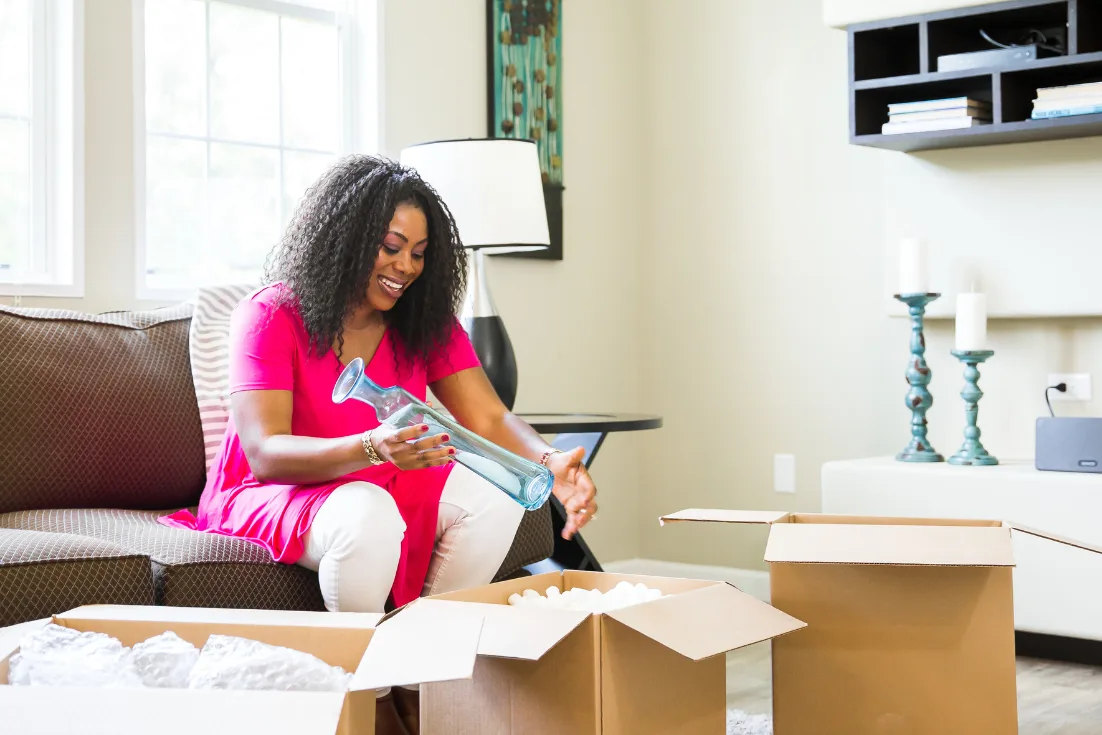
Who we arePacking up an entire home is not something you want to attempt in one day. But, if you start packing too soon, you may find yourself opening up your boxes because you need something. Ideally, the majority of your packing should be done 5-7 days before moving day. To make it a little easier and more efficient, here are a few helpful tips:
Start packing up things you know you won’t be using, like seasonal items.
Consider what you’ll need the days before you move and keep them out, like outfits to wear, toiletries, a few cooking items, etc.
If you have luggage in your home, you can use it to pack items like clothing or shoes.
If you have a dresser or dressers, you can leave clothes in the drawers and remove them from the dresser when it’s time to move. Then you can load the dresser without the drawers in it and transport each drawer with the clothes.
As you start packing up your belongings, you’ll probably find some things you haven’t seen in a long time. Now is a great time to declutter. Have a few boxes set aside for donations that you can drop off before you move. Then you’ll have fewer items to unpack and find a place for in your new home.
Tackle one room at a time and label all the boxes for that room, along with a brief list of items in that box. On moving day, it will be helpful to have boxes loaded up room by room as well, so you can place them in the right spot when you’re unpacking. That will help you get organized in your new home.

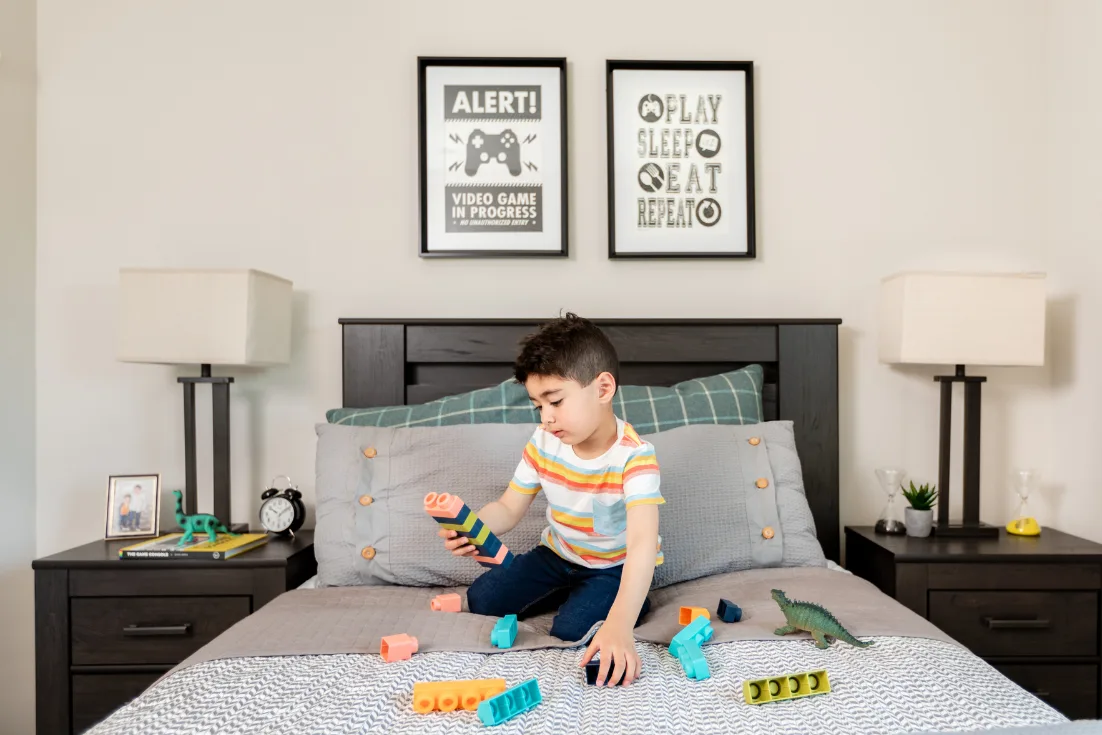
If you’re a parent, making your child feel more comfortable and excited about the move will help their transition, especially if they haven’t moved before. Here are a few things to think about:
Let your child be involved with packing their room and explain to them what will be going to their new room. This helps reassure them their belongings are safe and won’t be left behind or lost. You may want to wait until you’re unpacking to decide on donating any items. This avoids the possibility of your child asking for a toy that was donated before the move.
Take them on a tour of your new home before you move in and talk with your child about all the exciting spaces, including their room.
On moving day, it could help your child to have a favorite toy or stuffed animal to take along. And as you’re unpacking, consider tackling your child’s room first so they can start feeling settled.
Some children may like the idea of setting up the furniture differently in their new room, but others may want their new room to look like the previous one. Talking to your child about what would feel most comfortable for them will help you know which direction to go.
The first few nights in a new home can be a little scary for a child who’s not familiar with the layout of the home yet. Having a nightlight on in the hall will help them navigate your home if they get up during the night.

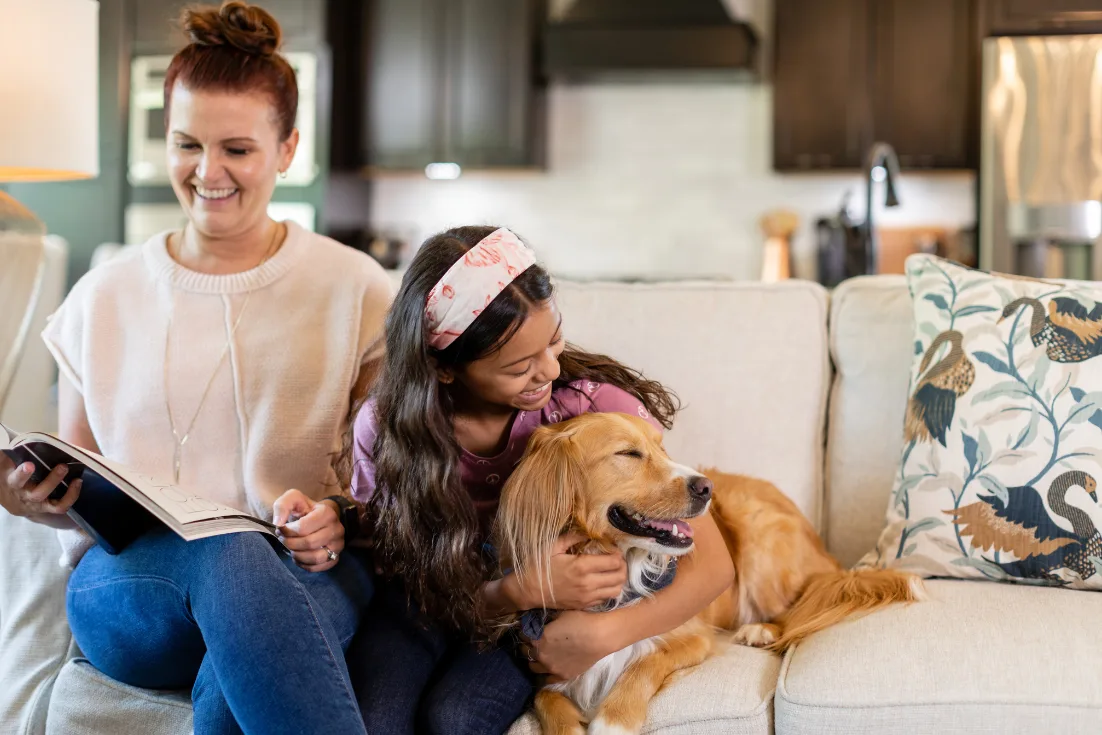
Pets are an important part of your move, too. As you’re packing, take time to do some of your normal day-to-day things and try to stick to your routine both before and after you move as much as possible.
Make sure your pet is comfortable for the trip too with their favorite toys and bedding and give them time to adjust to the new smells and spaces once you’re all settled. In the beginning, be sure to keep them on the leash and close any gates carefully when you’re outside as well so they don’t accidentally get out or get lost. And as you take them on walks around the neighborhood, they’ll get more familiar with the new area.

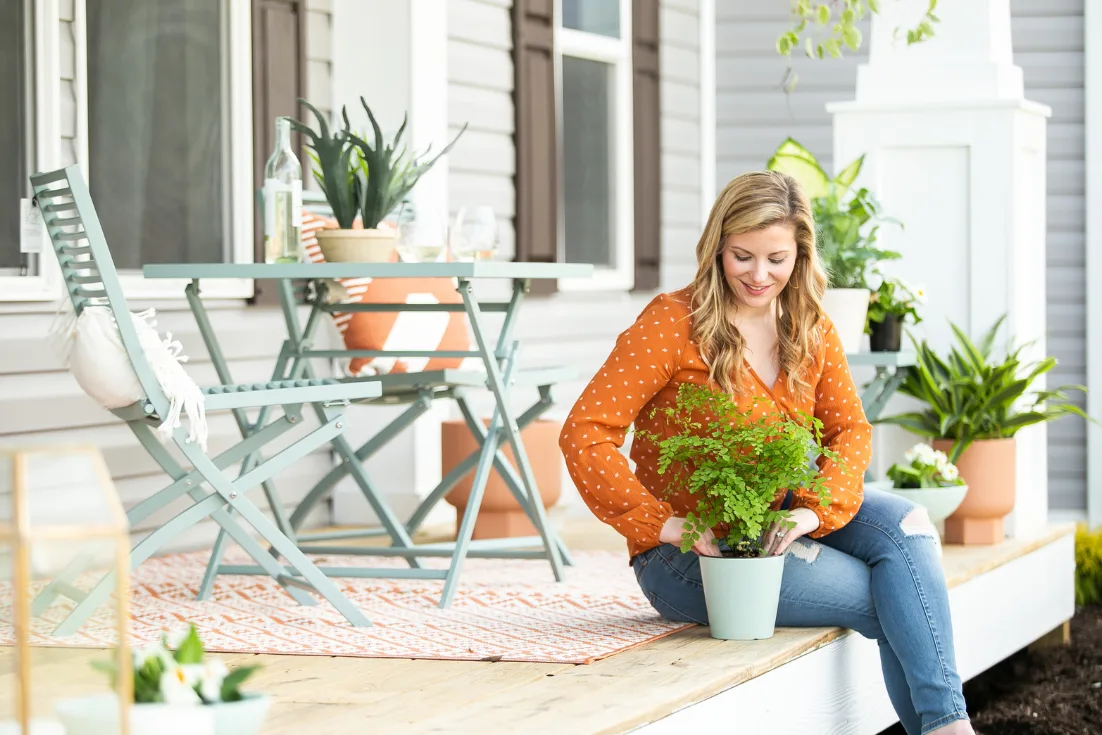
And for those of you with a green thumb, we also have a few things to keep in mind as you prepare to move your plants. First, you’ll want to make sure they’re in non-breakable pots and to re-pot any of them if necessary. It’s also a good idea to see if any of your plants need to be pruned and avoid overwatering them before moving day so they can be as healthy as possible for the trip.
To safely transport your plants, we recommend wrapping the pots in fabric or paper and padding any delicate leaves or branches. Then, pack the pots in boxes to keep them from tipping and spilling soil in your car. You’ll probably want to do this last to make sure the plants don’t get crushed under other boxes. And if you’re moving long-distance or during extreme temperatures, keep an eye on your plants to avoid causing them stress. Finally, you should unpack them as soon as possible and let them get acclimated in your new home.
With all these tips for a successful moving day, you and your family will be settling into your new home in no time. And as you get started making memories in your space, don’t forget to take a look at additional homeowner support articles and FAQs to learn more.