By Jenny C.May 15, 20267 min read

Buying a home starts with a simple goal: finding a space to call your own. As you explore what’s possible, you’re presented with even more choices, from layouts to budgets to timelines. There’s also a question many buyers don’t think to ask at first: what home type is best for me?
Site-built, modern manufactured, modular, and CrossMod homes are constructed using different building methods and may offer different benefits, features, and building timelines for different needs, budgets, and locations. Understanding these differences can help buyers better evaluate available options and opportunities for homeownership.
This guide walks you through the main types of homes Clayton builds and highlights some of the key characteristics of each. The goal is to help you better understand your options so you can confidently select the home type that best fits your needs.
Site-built, modern manufactured, modular, and CrossMod homes all offer modern designs and durable construction that meets applicable building and safety codes.
The main differences between these home types relate to how and where they are built, transported, installed, and finished.
About Clayton
Founded in 1956, Clayton is committed to opening doors to a better life through homeownership. Clayton is a leading single-family, values-driven home builder dedicated to attainable housing, sustainable practices, and creating a world-class experience for customers and team members. The company’s portfolio includes a comprehensive range of site-built, modern manufactured, Tiny, CrossMod® and modular housing. In 2024, Clayton built more than 60,000 homes across the country. For more information, visit claytonhomes.com.
Who we areUnderstanding these differences can help buyers ask informed questions and compare available housing options.
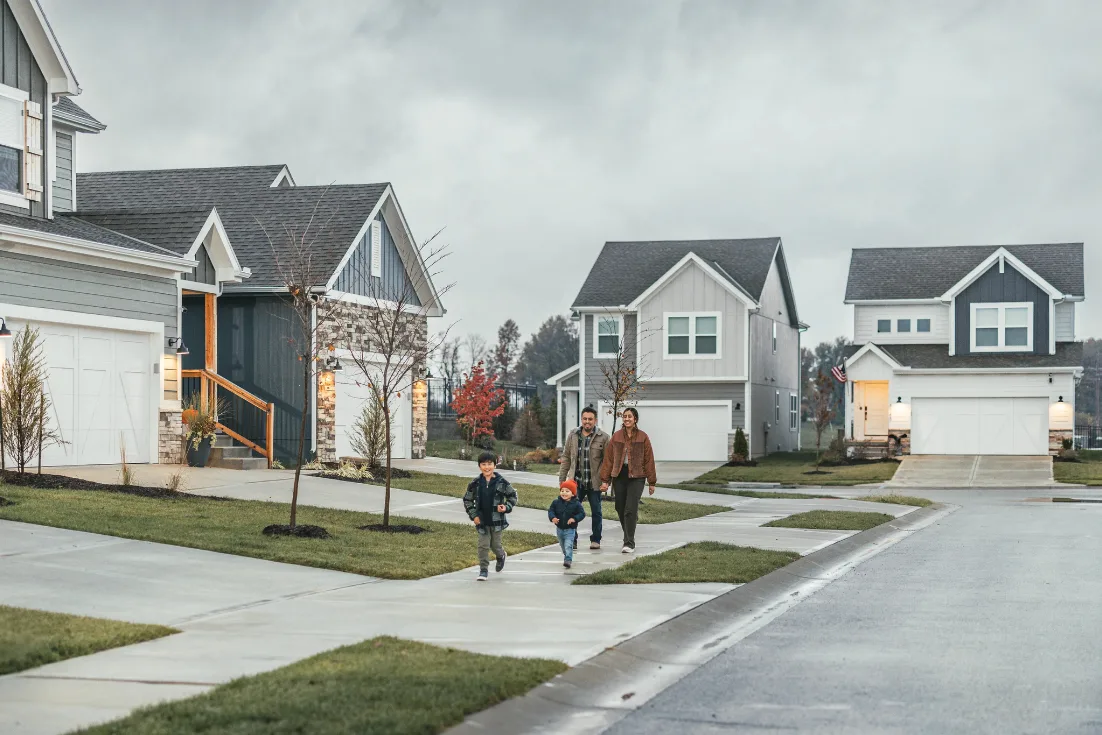
Most new construction homes fall into one of four categories: site-built, modern manufactured, modular, or CrossMod. While the construction methods may differ, each home type is built to applicable building and safety codes and is designed to support everyday living for years to come. Understanding how these homes are constructed and installed can help buyers evaluate which option may fit their needs.
Site-built homes are constructed entirely at the home site, from foundation to finish, and must meet applicable state and local building codes. This type of construction is commonly used for new residential homes and allows builders to complete most of the construction process directly on the property where the home will be located. Often considered the traditional route to homeownership, recently constructed site-built homes can also offer unique home benefits.
Modern layouts and design features can make your new construction site-built home feel fresh and stylish. Often builders will offer a variety of interior and exterior design choices or optional upgrades with the floor plan you choose, allowing you to pick the options that match your personal style.
New construction homes should be built in accordance with current building codes, which may include energy‑efficiency standards. And, because the home and appliances are newly installed, you’re likely to have fewer immediate repair needs compared with older homes.
An important consideration for site-built homes is construction timelines, which can vary with this home type. Factors such as weather conditions, permitting processes, labor availability, and utility installation can significantly delay the timeline for construction and move-in dates. Shopping for move-in ready site-built homes is a great way to mitigate these concerns and reduce uncertainty in your purchase timeline.

Why buyers choose new construction site-built homes:
Familiar construction method for many potential homebuyers
Widely available in many housing markets to view and tour
Often located within neighborhoods or residential developments
Things to keep in mind:
Construction timelines are typically longer than homes built off-site
Labor and material costs may increase the total cost of the home
Weather conditions and site preparation requirements can affect construction and move-in schedules
Purchasing a site-built home is a familiar and common option for many homeowners. These homes are built using conventional construction methods and may offer a range of layouts, designs, and price points depending on the builder, location, and selected features. Buyers with flexibility in their purchase timeline may also have opportunities to select certain customization options and personalized features during the construction process, if they’re available.
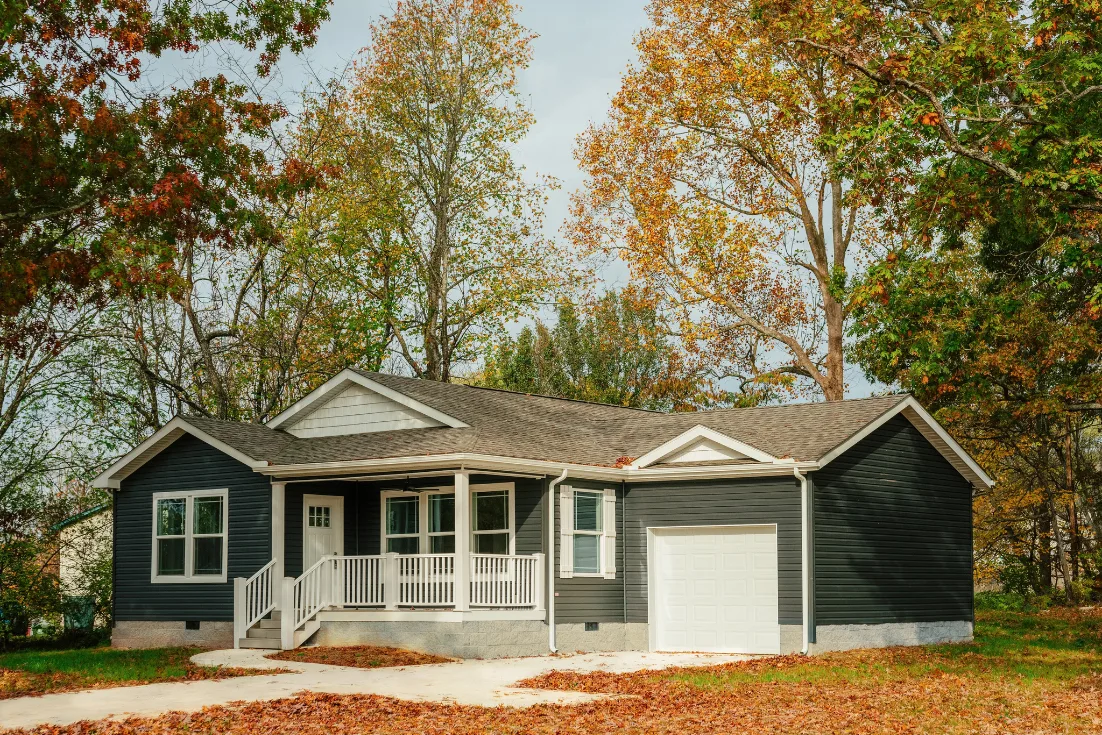
Modern manufactured homes are built indoors in climate-controlled facilities, then delivered and installed at their final home site. This home type has evolved significantly over the last several decades. From increased building quality and construction standards over the years, to a greater variety of design and style options than ever before, modern manufactured homes are a great option for many homebuyers today.
New modern manufactured homes are constructed according to current building codes, and many building materials and construction practices are similar to site-built homes. Because Clayton builds both home types, we can take the best of site-built and off-site building innovations to improve efficiency in the building process and help drive costs down without sacrificing quality. By managing our own supply and working with trusted household brands, we aim to reduce certain construction costs and deliver quality indoor-built homes at an attainable price point.

Additionally, modern manufactured homes, such as eBuilt® homes by Clayton, can include energy‑efficient features and appliances designed to help optimize energy use. And, because the home and appliances are also newly installed, buyers may experience fewer necessary repairs in the early years of ownership, which could ultimately reduce your out-of-pocket expenses.
One key difference between off-site constructed homes and traditional site-built homes is that site preparation must typically be completed before the home can be installed on your land. This process often involves working with local contractors and your home center to prepare the land for delivery and installation. If you are purchasing land for your home, your home consultant and selected lender may also assist in coordinating the steps needed to complete site preparation. Learn more about site preparation here.
Similar to site-built homes, buyers can also shop for move-in ready modern manufactured homes that are already placed on land and ready to live in. In these cases, site preparation and installation have already been completed and may be included in the overall purchase price, giving you a more seamless path towards homeownership.
Why buyers choose modern manufactured homes:
Homes are built in controlled indoor manufacturing facilities
There are a wide range of floor plans, sizes, and design features available
Homes can be placed on private land or in local manufactured home communities
Things to keep in mind:
Home placement rules vary based on local zoning and land use regulations
Site preparation costs are typically separate from the base price of the home, unless stated otherwise
The construction and installation process may require additional planning and decision-making compared with purchasing a move-in ready home
Modern manufactured homes may be a great option for homebuyers seeking a quality-built home at an attainable price point. While choosing this home type may involve a few additional steps compared with some other housing options, off-site construction can offer flexibility in where the home is placed, in addition to an oftentimes shorter build-time. Partnering with the experts at your local home center and leveraging the resources available to you can help you achieve your homeownership goals through a modern manufactured home.

Modular homes are built indoors in climate-controlled facilities and constructed in sections. These sections are transported to the home site and assembled on a permanent foundation.
While both modular and manufactured homes involve off-site construction, modern manufactured homes are primarily built in a factory and constructed in accordance with the federal HUD Code, with installation completed on-site.
Modular homes, by contrast, are built to state and local building codes, which can differ by location and result in a greater variety of standards and requirements.
While “modular” is sometimes used to describe homes built partially off-site, it actually refers to a specific construction type and is not interchangeable with modern manufactured homes for purposes of financing, building, and zoning requirements.

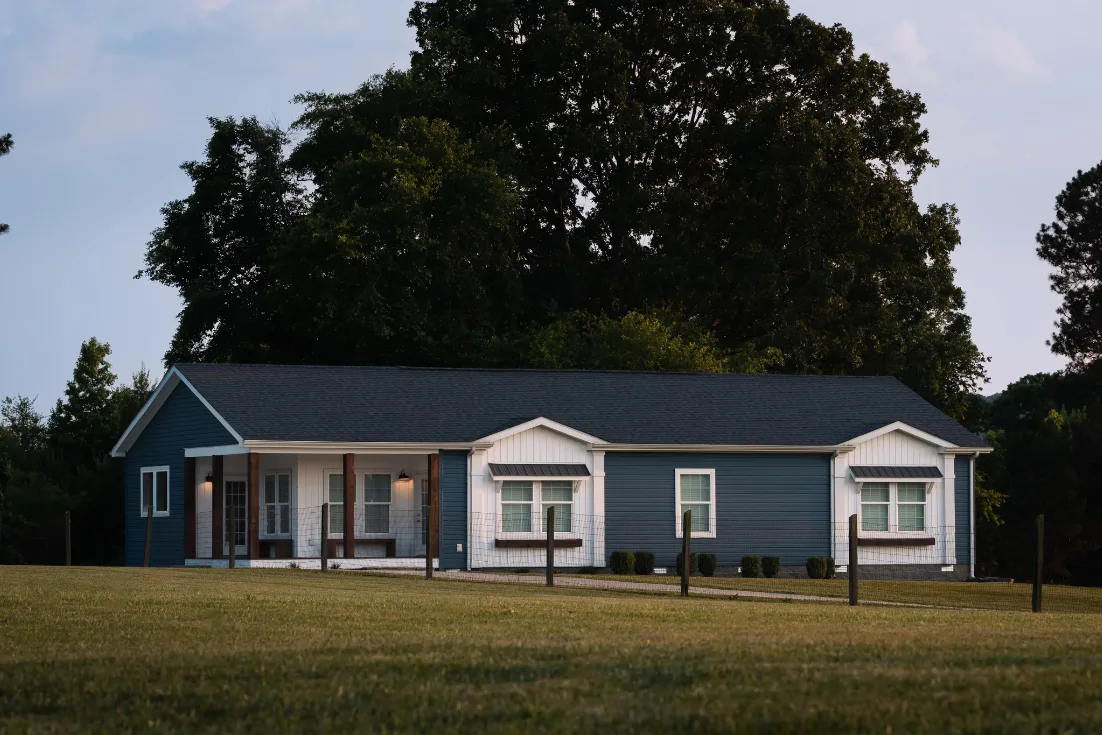
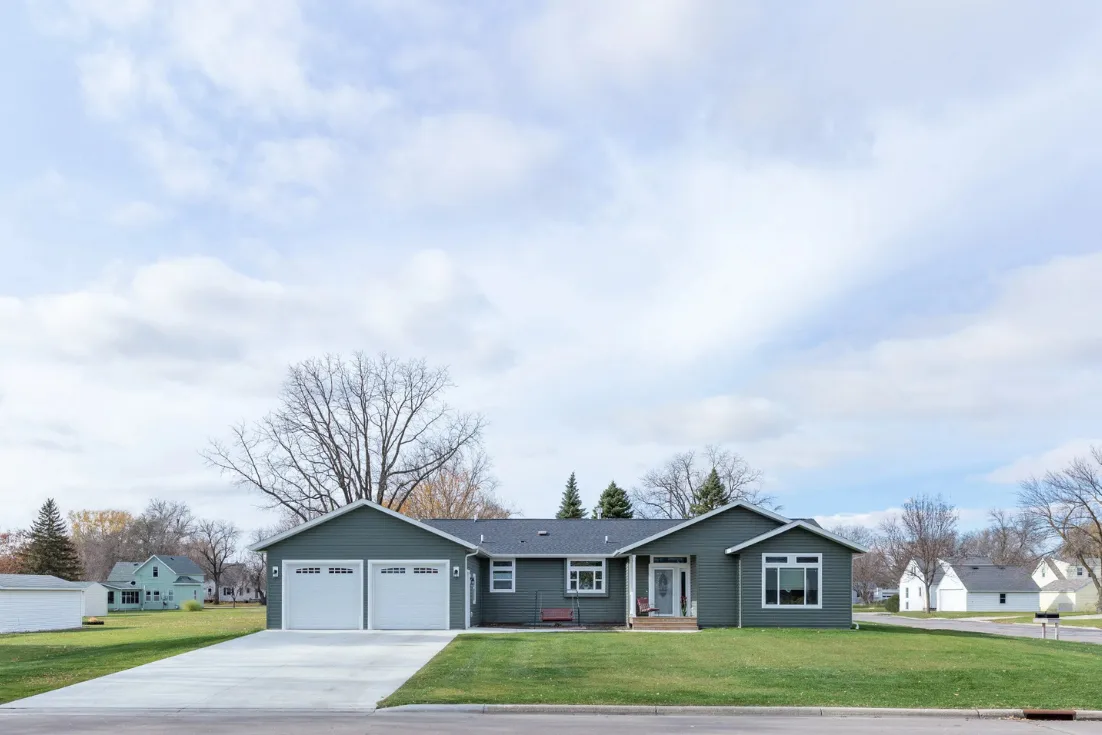
CrossMod homes are a more recent category of modern manufactured homes. They’re built off-site and constructed to the same federal HUD Code standards as modern manufactured homes, but have distinct features often associated with site-built homes, such as elevated roof pitches, permanent foundations, and attached garages. These home details mean they may be eligible for certain mortgage programs that are also used for site-built homes. Depending on the market, they can also be similarly appraised in value as site-built homes. Because financing availability and loan terms vary by lender, be sure to consult your selected lender for details on programs that may be available for this home type.
CrossMod homes can be a great option for buyers who want the efficiency of indoor building, the look of a traditionally built home, and the potential for conventional loan options. We recommend asking your local home center about their experience helping customers with this home type to get an idea of local regulations in your area.
Choosing a home type isn’t about finding the “best” option on paper. It’s about finding the one that fits your life, your plans, and where you want to go next.
As you compare different home types, these key questions can help clarify your decision-making:
Do you already own land, plan on purchasing private land, or want to live in a neighborhood? Some home types generally work well placed on private land, some home listings may come with individual land lots, and other homes may be better suited for neighborhoods.
What is your buying timeframe versus your desire to personalize your new home? If you are looking for a home that’s available now, move-in ready and completed construction homes may be a great place to start. If you have time before you need to move, you can explore more personalized home floor plans and options from your local builder.
The right choice balances location, budget, lifestyle, and long-term plans. Taking the time to understand your options will help you move forward with a clear idea of what you need, without unnecessary pressure.
You don’t have to sort through these decisions alone. Whether you’re still in the dreaming phase or beginning to take serious steps toward homeownership, support is available whenever it’s helpful to you.
Every buyer’s situation is different. Comparing options, asking questions, and leaning on expert guidance can help you move forward with confidence. Start by browsing homes and locations online to get an idea of what homes you’re interested in and plan a visit to compare your options nearby.
You can stop by a Clayton location or neighborhood office to discuss available options with a helpful home consultant. They can answer any questions you have about design and construction and offer tours of available homes.
The goal is always to help you understand your options, not to rush your decisions. Explore our home buying guide to learn more.
This content is provided for educational purposes only and is not intended as financial, credit, or lending advice. Clayton Homes does not offer or originate mortgage loans and does not make credit decisions. Financing terms, loan programs, rates, and eligibility requirements vary by lender and may depend on buyer qualifications, property type, and location. Buyers should consult a licensed lender of their choice for information regarding available financing options.
CrossMod® is a registered trademark of the Manufactured Housing Institute.